Reflections from Black Hat USA 2025

Earlier last month, I had the opportunity to attend Black Hat USA 2025 and DefCon 2025 in Las Vegas.
This trip was very special for me—not only was it my first time experiencing these world-class events in person, but it was also one of the most rewarding journeys in my cybersecurity career.
A special thanks goes to my friend who generously sponsored my Black Hat ticket. Without that support, I would not have been able to attend.
For those unfamiliar, Black Hat is one of the world’s leading cybersecurity conferences, held annually in Las Vegas.
It’s followed by DefCon, the world’s largest hacker gathering, known for its open and collaborative spirit.
Black Hat Keynote
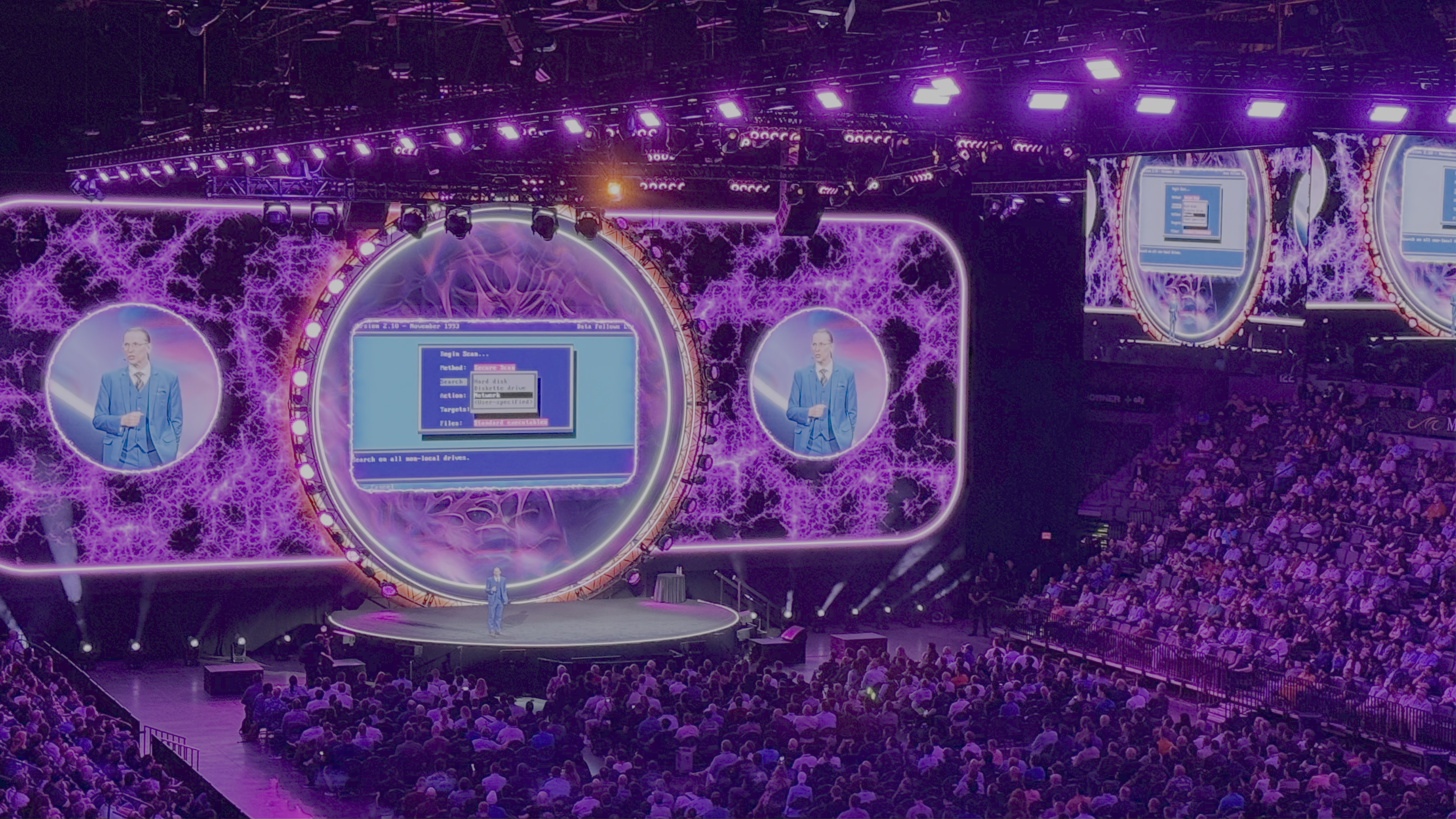
The first day’s keynote left a powerful impression. The venue was massive, with stage lights and atmosphere that felt more like a concert than a tech conference.
The keynote was delivered by Mikko Hypponen, titled Three Decades in Cybersecurity: Lessons Learned and What Comes Next.
He spoke about how organizations should prepare for increasingly sophisticated attacks, and why incident simulations matter long before a real event happens.
One of the most striking moments was when he used the venue’s lighting and sound systems to simulate a total outage. For a few seconds, the hall went dark—showing what it feels like when everything suddenly goes offline. That silence captured the human side of security: the shock, the panic, and the time it takes to regain composure.
Having worked on both the client side and vendor side, I resonated deeply. Too often, executives treat security as a “show” or a cost center, until a real incident proves otherwise. The keynote was not just a talk, but a reminder that security is ultimately about culture and preparedness.
Business Hall Takeaways
The Business Hall was another highlight. The scale was enormous: not only were there major vendors, but also a wide range of startups showcasing their innovations. Unlike many exhibitions I’ve attended in Asia, here most companies prepared hands-on demos for attendees.
For example, Trend Micro set up a gamified challenge where participants could experience their SOC platform in action. Many startups also had their founders on-site, which made it easy to ask questions and learn how they transformed ideas into real products with limited resources.
The hall wasn’t just about technology—it was also about people. Countless side events and networking opportunities made it possible to connect with others from across the industry. Hearing why people chose to stay in big companies, or why others pursued startups, gave me new perspectives on career motivation and fulfillment.
I also noticed a significant market gap: most compliance and security solutions are designed for U.S. and European needs, while Asia-focused solutions are scarce. This often forces Asian companies to buy entire suites but use only a fraction of the features, all while paying a steep price. Many executives therefore abandon solutions altogether.
This confirmed some of my own observations and gave me new drive to explore opportunities for solutions better suited to Asia’s diverse regulatory landscape.
Equally important, this was my first time engaging deeply with international vendors in a business setting. I truly appreciated the atmosphere: people expressed their ideas with confidence and passion, while also showing respect for others’ viewpoints. It wasn’t superiority—it was genuine belief in the value of their work.
Small Talk: Women in Cybersecurity
I also joined a small talk session hosted by a friend, featuring several well-known women in cybersecurity.
They shared their challenges in the workplace—imbalanced resource allocation, navigating biases, handling workplace dynamics—and how they overcame them to reach their current positions.
This was not “inspirational talk” for the sake of it, but raw and honest experiences that many in the audience could relate to. For me, it was a reminder of my own journey working across different countries and cultures.
The key lesson: openness matters. Every culture has wisdom worth learning, and every challenge is also a chance to expand one’s worldview. Diversity isn’t just a buzzword—it’s a form of growth and resilience.
Closing Thoughts
Attending Black Hat and DefCon was not just about learning new tools or hearing technical talks. For me, it was about confirming my direction in cybersecurity.
It raised important questions I will continue exploring:
- What are we truly protecting?
- How do we communicate security’s value so leaders see it as competitiveness, not cost?
- How can we create more solutions tailored to Asia’s market and regulatory realities?
These conferences gave me not only knowledge, but also momentum to keep moving forward.
👉 Coming up next, I’ll share my reflections from DefCon 2025 and my visit to Google’s Los Angeles office. Stay tuned!